MediCure
PSAU CAMPUS INFIRMARY GUIDE

FastAid
Health & Emergency Guide

A modern health information platform designed for PSAU students and staff. Learn emergency response procedures, campus health guides, wellness tips, and clinic services in one place.

Contact: 0965-876-8974

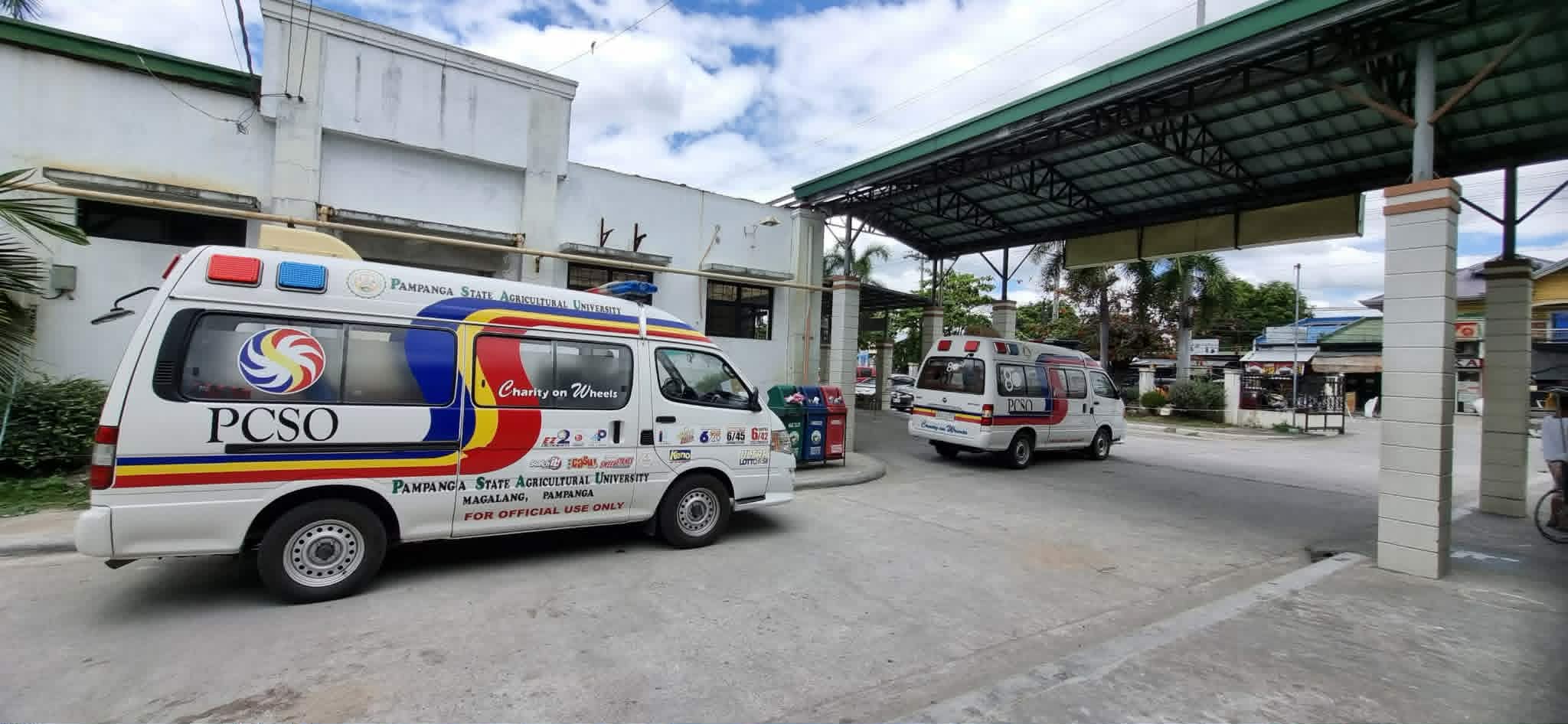
PSAU Ambulance
FastAid Circle

Quick Access to Health and Emergency Information

FastAid serves as a reliable platform where PSAU students and staff can access first aid guides, health tips, emergency information, and campus clinic services.

Emergency Information Access
First Aid Guides and Reference Materials
Health Promotion and Awareness Tips
PSAU Infirmary Information

About Us

Welcome to Fast Aid

Fast Aid is a health and first aid guide website developed for the students and staff of Pampanga State Agricultural University. The website aims to provide accessible, reliable, and easy-to-understand first aid information that can help users respond properly during emergencies and health-related situations.

Fast Aid was created to serve as a digital guide that promotes awareness, preparedness, and safety within the PSAU community. Through this platform, users can explore basic first aid procedures, health tips, emergency response guides, and important information related to campus healthcare services.

The website also includes information about the PSAU Infirmary to help students and staff easily access medical assistance whenever needed.

Our Mission

Our mission is to provide the PSAU community with quick access to reliable first aid and health information that can help improve safety awareness, preparedness, and responsible health practices.

Our Vision

Our vision is to become a trusted and student-friendly digital health guide that supports the well-being of PSAU students and staff through accessible first aid education and healthcare information.

Why We Created Fast Aid

Emergencies and health concerns can happen anytime, especially inside schools and universities. Many students and staff may not always know the proper first aid procedures during unexpected situations.

Fast Aid was developed to help provide immediate access to basic health and first aid knowledge that users can easily understand and apply. The website aims to encourage preparedness and promote a safer environment within the PSAU community.

Our Goals

To spread awareness about the importance of first aid

To provide quick and easy access to health-related information

To help students and staff become more prepared during emergencies

To support the PSAU community through informative and accessible digital resources

About the PSAU Infirmary

Fast Aid also includes information about the PSAU Infirmary to help users locate and access healthcare services available on campus. The infirmary serves as an important part of the university's support system by providing medical assistance and basic healthcare services to students and staff.

Our Commitment

Fast Aid is committed to providing clear, organized, and helpful information that can support the health and safety needs of the PSAU community. The website is designed to be simple, informative, and user-friendly for all users.

First Aid Guides

Learn the correct emergency response procedures for common campus medical emergencies.

  • Swelling around the ankle
  • Pain when walking or bearing weight
  • Bruising or tenderness
  • Limited range of motion
  1. Rest — stop activity immediately and do not walk on it.
  2. Ice — apply ice wrapped in cloth for 20 minutes every 2-3 hours.
  3. Compression — wrap with an elastic bandage to reduce swelling.
  4. Elevation — keep the ankle raised above the level of your heart.
  5. Pain Relief — take mild over-the-counter pain relief if needed.
  6. Gentle Movement — after 48 hours, try very gentle circular motions.
  7. Check Circulation — ensure bandages aren't too tight (numbness/tingling).
  • Don't apply ice directly to skin
  • Don't walk on it if severe pain
  • Don't ignore swelling that worsens

Seek care if you can't bear weight or swelling is severe.

  • Bleeding from skin break
  • Pain at wound site
  • Possible dirt or debris in wound
  1. Wash Hands — Clean your hands thoroughly before touching the wound.
  2. Stop Bleeding — Apply gentle, steady pressure with a clean bandage.
  3. Rinse Wound — Use clean, running water to wash away dirt and debris.
  4. Clean Area — Gently clean the skin around the wound with mild soap.
  5. Apply Ointment — Use a thin layer of antibiotic cream to keep it moist.
  6. Cover Wound — Place a sterile bandage or gauze over the area.
  7. Change Daily — Replace the dressing every 24 hours or if it gets wet.
  • Don't remove embedded objects
  • Don't use cotton wool directly on wound
  • Don't blow on the wound

Seek care if bleeding won't stop after 10 min, wound is deep, or stitches may be needed.

  • Red, blistered, or white skin
  • Severe pain or no pain (severe burns)
  • Swelling at burn site
  1. Cool the Burn — Run cool (not cold) water over the area for 10-20 minutes.
  2. Remove Jewelry — Gently take off rings or restrictive items before swelling starts.
  3. Assess the Area — Check for charred skin or large blisters that need medical care.
  4. Cover Loosely — Use cling wrap or a clean, non-fluffy cloth to protect the site.
  5. Avoid Irritants — Ensure no ice, grease, or butter is applied to the burn.
  6. Pain Management — Take mild over-the-counter pain relief if you feel discomfort.
  7. Leave Blisters — Do not pop any blisters, as they protect the underlying skin.
  • Don't use ice, toothpaste, or butter
  • Don't break blisters
  • Don't remove stuck clothing

Seek care for burns larger than palm size, facial burns, or chemical burns.

  • Blood flowing from one or both nostrils
  • Possible dizziness if blood loss is heavy
  1. Positioning — Sit down and lean your body slightly forward.
  2. Firm Pinch — Pinch the soft part of your nose firmly with your thumb and finger.
  3. Breathe Easy — Breathe through your mouth while your nose is pinched.
  4. Be Patient — Hold the pinch for 10–15 minutes continuously without letting go.
  5. Release Slowly — Release the pressure slowly to check if the bleeding has stopped.
  6. Cool Down — Apply a cold compress or ice pack to the bridge of your nose.
  7. Rest Quietly — Avoid bending over or straining for several hours after the bleed.
  • Don't tilt head back — may cause swallowing blood
  • Don't stuff tissue tightly up the nostril
  • Don't blow nose after bleeding stops

Seek care if bleeding lasts more than 20 min or follows a head injury.

  • Cannot speak, cough, or breathe
  • High-pitched noise when breathing
  • Blue tinge to lips or face
  • Clutching throat with hands
  1. Check for Coughing — Encourage them to cough hard if they are able to.
  2. Positioning — Stand behind them and lean them slightly forward.
  3. Back Blows — Give up to 5 firm blows between the shoulder blades.
  4. Check Airway — Quickly check if the object has been dislodged.
  5. Abdominal Thrusts — If failed, perform 5 Heimlich thrusts above the navel.
  6. Cycle Actions — Alternate between 5 back blows and 5 abdominal thrusts.
  7. Call for Help — Dial emergency services if the object remains stuck.
  • Don't do abdominal thrusts on infants
  • Don't do blind finger sweeps in the mouth
  • Don't leave them alone

Call 911 immediately if person becomes unconscious.

  • Sudden brief loss of consciousness
  • Pale, cold, clammy skin
  • Weak pulse
  • Nausea or dizziness before fainting
  1. Safe Positioning — Lay the person flat on their back on the ground.
  2. Elevate Legs — Raise their legs about 30 cm (12 inches) above heart level.
  3. Loosen Clothing — Loosen any tight belts, collars, or restrictive waistbands.
  4. Improve Airflow — Ensure they have fresh air and a cool, quiet environment.
  5. Check Breathing — Monitor for a clear airway; start CPR if they aren't breathing.
  6. Recovery Rest — Allow them to remain lying down when they come around.
  7. Monitor Status — Check for confusion or injury and keep them calm while resting.
  • Don't give water until fully conscious
  • Don't leave person standing
  • Don't place a pillow under head

Seek care if fainting is recurrent, unexplained, or followed by confusion.

  • Body temperature above 38°C (100.4°F)
  • Chills and shivering
  • Headache and muscle aches
  • Sweating, flushed skin
  1. Environment — Rest in a cool, quiet, and well-ventilated room.
  2. Hydration — Drink plenty of fluids like water, juice, or broth.
  3. Medication — Take paracetamol or ibuprofen only as directed.
  4. Cooling — Apply a cool, damp cloth to the forehead or back of neck.
  5. Comfort — Remove extra layers of heavy clothing or blankets.
  6. Monitoring — Check and record the temperature every 2 to 4 hours.
  7. Watch Signs — Look for a stiff neck, rash, or breathing difficulties.
  • Don't use ice baths — may cause shivering
  • Don't give aspirin to children
  • Don't suppress fever below 38°C unnecessarily

Seek care if fever exceeds 39.4°C, lasts more than 3 days, or is accompanied by stiff neck.

  • Throbbing or pressure in head
  • Sensitivity to light or sound
  • Nausea
  • Pain may be one-sided (migraine)
  1. Find Quiet — Rest in a quiet, darkened room to reduce stimulation.
  2. Hydrate — Drink a full glass of water, as dehydration is a common trigger.
  3. Compress — Apply a cold or warm compress to your forehead or neck.
  4. Medication — Take OTC pain relief like paracetamol or ibuprofen as directed.
  5. Digital Break — Avoid all screens, bright lights, and loud noises.
  6. Relaxation — Practice slow breathing and consciously relax tense muscles.
  7. Pressure Relief — Remove any tight headbands or hats that may cause tension.
  • Don't ignore sudden severe "thunderclap" headache
  • Don't take pain medication more than 2 days in a row
  • Don't skip meals — hunger triggers headaches

Seek care immediately for sudden severe headache, vision changes, or headache after head injury.

  • Puncture wounds or lacerations
  • Bleeding
  • Swelling and bruising around wound
  1. Thorough Wash — Wash the wound with soap and water for at least 15 minutes.
  2. Control Bleeding — Apply gentle pressure with a clean cloth if the wound is bleeding.
  3. Disinfect — Apply an antiseptic solution to the cleaned area.
  4. Dress Wound — Cover the area with a clean, sterile dressing or bandage.
  5. Seek Medical Care — Report to the infirmary or hospital within 24 hours.
  6. Start Treatment — Receive anti-rabies and tetanus treatment as advised by doctors.
  7. Finish Schedule — Complete the full vaccination schedule to ensure full protection.
  • Don't delay treatment even if wound seems minor
  • Don't close the wound tightly
  • Don't ignore it — rabies is fatal if untreated

Seek medical care immediately. Rabies vaccination must begin promptly.

  • Red, swollen, itchy bump
  • Stinger may be visible (bee)
  • Burning or stinging sensation
  1. Scrape Stinger — Remove the stinger quickly using a card or fingernail.
  2. Clean Area — Wash the bite site thoroughly with mild soap and water.
  3. Reduce Swelling — Apply a cold compress or ice pack for 10 minutes.
  4. Elevate — Keep the affected limb raised to further reduce any swelling.
  5. Apply Cream — Use hydrocortisone cream or calamine lotion for the itch.
  6. Oral Relief — Take an over-the-counter antihistamine for severe itching.
  7. Watch for Allergy — Monitor for 30 minutes for signs of a severe reaction.
  • Don't squeeze or pinch a bee stinger
  • Don't scratch — can cause infection
  • Don't ignore hives, swelling, or breathing difficulty

Call 911 immediately for signs of anaphylaxis: throat swelling, difficulty breathing, dizziness.

  • Heavy sweating, cool pale skin
  • Rapid weak pulse
  • Nausea or vomiting
  • Muscle cramps, dizziness, fatigue
  1. Find Shade — Move to a cool, shaded, or air-conditioned area immediately.
  2. Positioning — Lay them down and elevate their legs to support circulation.
  3. Cool the Skin — Apply cool, damp cloths or spray the skin with water.
  4. Loosen Clothing — Remove or loosen any tight or restrictive clothing.
  5. Hydrate Slowly — Have them sip cool water slowly if they are conscious.
  6. Airflow — Use fans or fanning to increase cooling through evaporation.
  7. Monitor — Closely watch their temperature and level of consciousness.
  • Don't give cold beverages too fast — may cause cramps
  • Don't leave person alone
  • Don't ignore — may progress to heat stroke

Seek care if symptoms worsen, person loses consciousness, or temperature exceeds 40°C.

  • Pain at injury site, worse on movement
  • Swelling and bruising
  • Deformity or unusual shape
  • Inability to move limb normally
  1. Stop Movement — Immediately stop any movement of the injured area.
  2. Immobilize — Use a makeshift splint or padding to keep the limb still.
  3. Apply Ice — Use an ice pack wrapped in cloth to reduce pain and swelling.
  4. Elevate — Keep the injured limb raised above heart level if possible.
  5. Control Bleeding — Apply gentle pressure if there are any open wounds.
  6. Check Circulation — Ensure splints aren't too tight; check for warmth and pulse.
  7. Seek X-ray — Transport to a hospital for professional imaging and care.
  • Don't try to straighten or realign the bone
  • Don't apply ice directly to skin
  • Don't allow person to bear weight on fracture

Seek emergency care immediately — all suspected fractures need X-ray and proper treatment.

  • No response to tapping shoulders
  • No normal breathing (gasping is not normal breathing)
  • No pulse detectable
  1. Call Emergency — Call emergency services immediately.
  2. Open Airway — Tilt the head back and lift the chin to open the airway.
  3. Check Breathing — Look for normal breathing for no more than 10 seconds.
  4. Compressions — Give 30 chest compressions — hard and fast, in the center of the chest.
  5. Rescue Breaths — Give 2 rescue breaths if you are trained and comfortable.
  6. Maintain Cycle — Continue the 30:2 cycle until help arrives or the person recovers.
  7. Use AED — Attach an Automated External Defibrillator as soon as one is available.
  • Don't stop CPR unless person recovers or help arrives
  • Don't pause for more than 10 seconds
  • Don't be afraid — imperfect CPR is better than none

Continue CPR and call emergency services. Use an AED if available.

Health Tips


Stay Hydrated

Drink at least 8 glasses (2 liters) of water daily. Proper hydration supports kidney function, improves energy, and keeps your skin healthy.


Exercise Regularly

Aim for at least 30 minutes of moderate physical activity most days. Regular exercise reduces stress and boosts immunity.


Get Enough Sleep

Everyone needs at least 7–9 hours of sleep per night. Maintain a consistent sleep schedule, even on weekends.


Eat Balanced Meals

Fill half your plate with vegetables and fruits, a quarter with lean protein, and a quarter with whole grains.


Manage Stress

Practice mindfulness or take breaks from screens to look after your mental health.

Get Regular Check-ups

Schedule annual check-ups with a doctor for screenings, blood pressure checks, and vaccinations.

Frequently Asked Questions

Fast Aid provides guides for common emergencies like cuts, burns, sprains, nosebleeds, choking, fainting, and fever.
Yes, the website can be accessed anytime for emergency guides and health information.
Yes, the guides are written in a simple and easy-to-understand way for everyone.
Bring your school ID and inform the staff about your symptoms or concern.
Make sure the area is safe and stay calm before helping the injured person.
Yes, the website includes basic steps like resting in a cool area, drinking water, and avoiding too much activity.
Taking medicine without proper advice may worsen your condition or cause side effects.
Be careful while walking, avoid running in crowded areas, stay hydrated, and follow safety reminders.
Seek immediate medical help or contact emergency services right away.
It is better to rest or visit the PSAU infirmary to avoid worsening your condition.
Severe bleeding, unconsciousness, chest pain, seizures, and difficulty breathing are signs that need urgent help.
Drinking enough water helps prevent dizziness, dehydration, and heat exhaustion.
Yes, Fast Aid provides beginner-friendly first aid and emergency response guides.
Clean the wound gently, apply pressure if bleeding, and cover it with a clean bandage.
You may check the Emergency Contacts section of Fast Aid for important hotline numbers and campus contact information.

Contact the Clinic

Emergency Number
0965-876-8974
OFFICE HOURS
Monday

7:00 AM – 6:00 PM

Tuesday

7:00 AM – 6:00 PM

Wednesday

7:00 AM – 6:00 PM

Thursday

7:00 AM – 6:00 PM

Friday

7:00 AM – 6:00 PM (Closed)

Saturday

7:00 AM – 6:00 PM (Closed)

Sunday

7:00 AM – 6:00 PM (Closed)


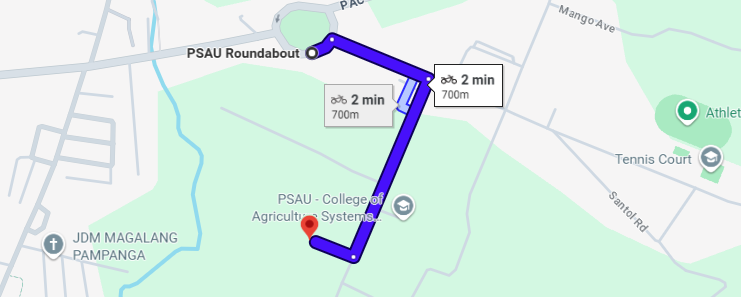
PSAU Map Location